What Makes a City Smart
At the core of every smart city is data collected, analyzed, and acted on in real time. Internet of Things (IoT) devices, embedded sensors, and analytics platforms now form the nervous system of urban infrastructure. From streetlights that dim when no one’s around to sewage pumps that flag early malfunctions, cities are becoming predictive instead of just reactive.
Traffic, power usage, and public safety are no longer guesswork. Smart grids auto adjust to demand spikes. Fire departments get sent to hotspots before a 911 call even happens. And traffic signals respond dynamically to congestion or emergency routes. It’s not magic it’s machine fed logic running behind the scenes.
But none of this scales without collaboration. Public private partnerships are the motor behind most of these efforts. Startups bring fresh tech, city governments provide access and regulation, and together they test, iterate, and deploy at scale. It’s not always seamless, but it’s becoming the model for urban innovation that actually works.
Smarter Mobility and Transportation
Traffic used to be a problem we just accepted. Now, smart cities are using data, sensors, and AI to actively manage how traffic flows. Intelligent traffic systems adjust signals in real time based on congestion, accidents, or peak hour surges. Instead of sitting at a red light with no one crossing, drivers are moved along more efficiently less gridlock, smoother commutes.
Parking’s getting an upgrade too. In dense urban areas, smart parking technology guides drivers to open spots and reduces the time spent circling blocks. Pair that with expanded networks of electric vehicle charging stations, and suddenly, EV ownership becomes a lot more practical. It’s not just about saving time it’s about cutting emissions and building cities that are easier on the planet.
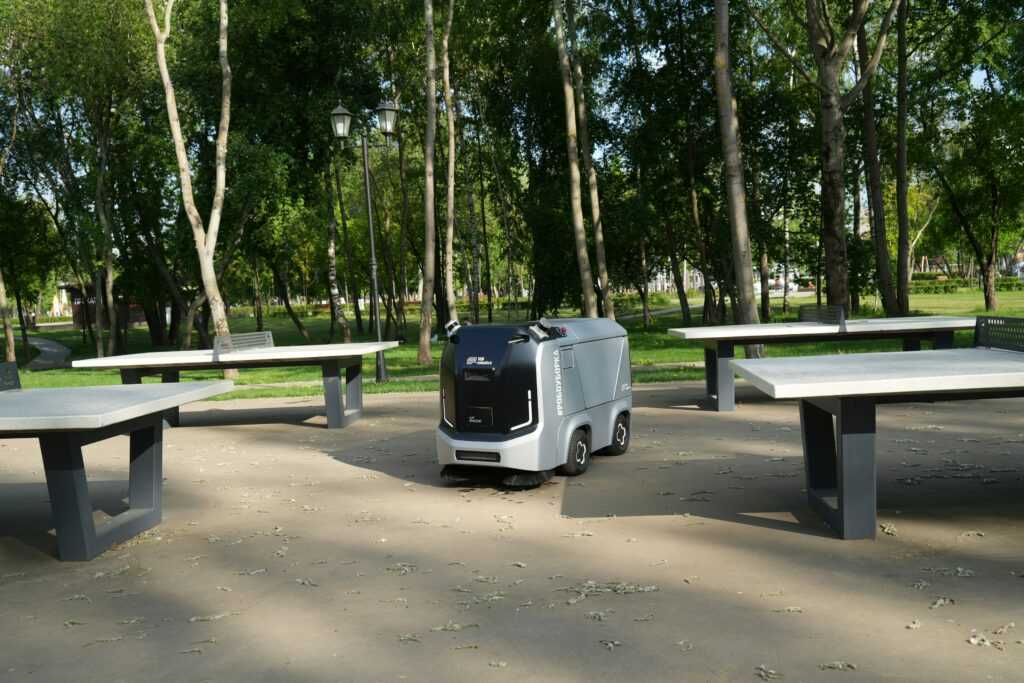
Public transit is evolving. Autonomous buses and on demand ride sharing are entering the mainstream. These systems run on data and learn as they go, giving people more options to get around without owning a car. And the more cities invest in this tech, the closer we get to frictionless, accessible mobility for everyone.
Energy Efficiency & Sustainability
Energy is the backbone of any city. Smart cities are proving that it doesn’t have to come at the cost of the environment or your wallet. Smart grids are stepping up to replace aging power infrastructures. These grids balance energy demand in real time, tap into renewable sources with less friction, and make blackouts less likely. They’re cleaner, more efficient, and far better at adapting to the unpredictable.
On the street level, adaptive lighting systems are doing more than just turning off lamps at dawn. Motion sensors and data driven timers adjust brightness based on how busy an area is, cutting energy use and extending equipment life. And importantly, they reduce electricity bills in city budgets already stretched thin.
Smart buildings are the other major piece. They’re built with sustainability in mind from the ground up using materials that waste less, systems that track water and energy usage, and design choices that cut heating and cooling costs. Combined, these efforts leave less environmental impact and create long term savings cities can reinvest elsewhere.
Citizen Centric Services

In the smartest cities, public services don’t wait for problems to show up they get ahead of them. Predictive maintenance uses sensors, data, and AI to flag issues before they escalate. Potholes, broken streetlights, and leaky water mains can now be repaired faster, often before residents even notice. It’s fewer headaches for the public and less wasted money for the city.
At the same time, digital platforms are turning once bloated city communication into something more direct. Apps and dashboards now help citizens file service requests, get real time updates, and even weigh in on city planning. It’s efficient and, for the first time in a while, it actually feels like someone’s listening.
Add to that the rise of live environmental monitoring. Real time air quality and noise pollution data let residents and the city see how livable their neighborhoods really are. From alerting asthma patients to spike days to rerouting traffic away from noise sensitive zones, the data is finally doing some heavy lifting.
Combined, these features make urban life not just smoother, but smarter and a lot more human centered.
5G’s Role in Enabling Smart Cities
Smart cities don’t work without speed and that’s where 5G steps in. It brings ultra fast, low latency connectivity, which is basically the nervous system for modern urban tech. Whether it’s autonomous buses talking to traffic lights or emergency responders getting live updates in real time, none of that happens efficiently without 5G.
Beyond speed, 5G’s real strength lies in capacity. Thousands of sensors, cameras, and devices can operate simultaneously without lag, which is critical in dense cities. From smart waste systems to live tracking of medical supplies, this tech handles it all without breaking a sweat.
And it’s not only about the city’s infrastructure 5G also powers innovation in private sectors. Think logistics companies managing fleets across multiple neighborhoods or hospitals running remote diagnostics and robotic surgeries with zero delay.
Ultimately, 5G isn’t just an upgrade it’s the backbone of the smart city future. Without it, all those buzzwords like automation, AI, and IoT stay just that buzz.
Explore more here: 5G and smart cities
What This Means for Urban Living
Living in a smart city isn’t just about tech. It’s about quality of life. With cleaner air, optimized waste collection, and better managed utilities, these cities promise environments that feel safer and more breathable. Streets are better lit, water is monitored in real time, and emergency services respond faster all thanks to connected systems working behind the scenes.
Commutes are shrinking too. Adaptive traffic lights, real time transit updates, and integrated mobility apps are getting people where they need to go without the headache. As more cities introduce smart parking and route optimization, long waits and random delays are becoming less of an issue.
Importantly, smart infrastructure can democratize access. Free Wi Fi in public zones, self service government portals, and online tools for education and healthcare help reduce the digital divide. When tech meets inclusion, the entire city moves forward not just a select few.
Looking Ahead
Growth doesn’t wait. As more people flood into cities, scaling smart infrastructure fast enough becomes a real pressure point. It’s not just about adding sensors or rolling out more Wi Fi the backbone has to keep up. More users mean more data, more bandwidth, and more strain on energy and transport systems that weren’t built for this much tech. Retrofitting an entire city while it keeps running is like swapping airplane parts mid flight.
Then there’s the data problem. Smart cities operate on constant information flow from traffic cameras, utility meters, wearable health monitors, and beyond. That volume of data introduces serious privacy and security issues. What happens when sensitive information leaks? Or when surveillance tech crosses from safety to overreach? Right now, the safeguards aren’t keeping pace with the scale.
This is where governance steps in or should. Cities need clear rules for how tech is deployed and who controls what. Transparency about algorithms, data usage, and oversight isn’t optional anymore. Neither is accountability. The tech is impressive. But if people don’t trust it or can’t opt out of it smart cities lose their edge.
Urban innovation without ethical guardrails is just chaos, dressed up in LED lights.