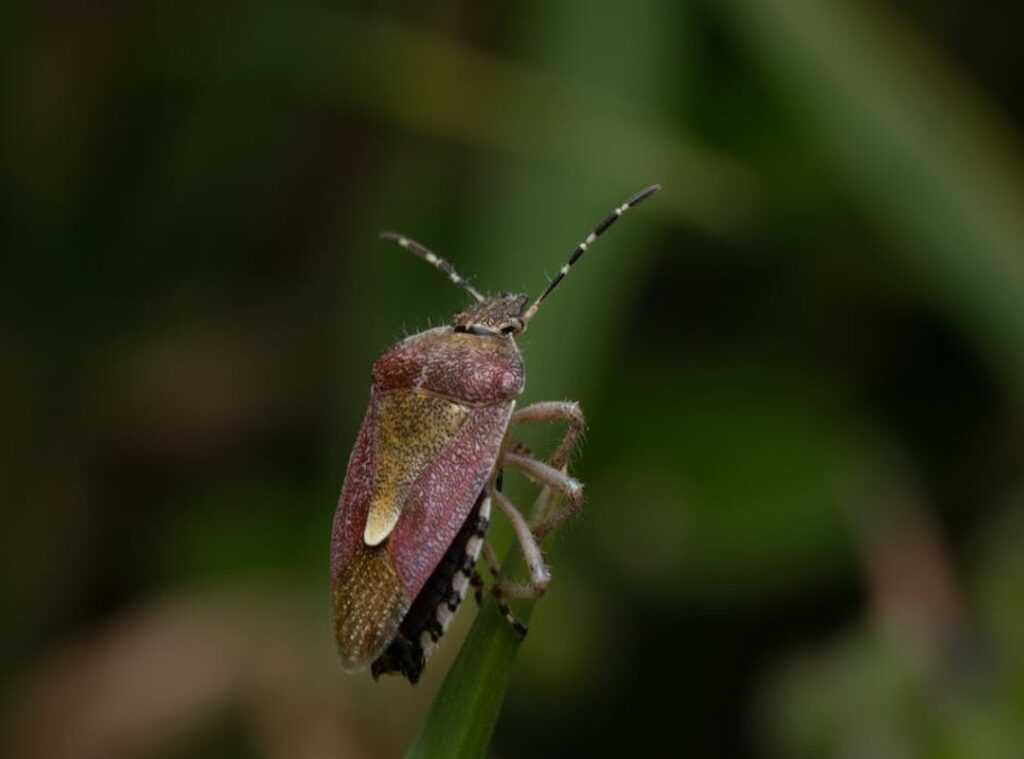
You find one crawling on your kitchen counter. Or you spot something weird in your pantry. Your phone’s already out.
You type “Keepho5ll Bug” into Google.
And then it hits you. Nothing makes sense. Some sites say it’s deadly.
Others say it doesn’t exist. One forum calls it a hoax. Another says it’s already in your walls.
Here’s the truth: Keepho5ll Bug isn’t real. Not as a scientific name. Not in any entomology database.
Not in USDA APHIS records. Not in CABI’s global pest library.
It’s a typo. A glitch. Someone typed “khapra” but hit 5 instead of S.
Then it spread.
I’ve checked every verified bulletin from land-grant extension offices. Every pest interception report from U.S. ports. Every peer-reviewed paper on stored-product beetles.
This confusion isn’t harmless. Homeowners spray chemicals that don’t work. Grain handlers ignore real threats while chasing ghosts.
Small farms delay action because they’re stuck Googling nonsense.
You don’t need more noise. You need clarity. Fast.
In this article, I’ll show you exactly what is out there (and) how to tell it apart from internet fiction. No jargon. No guesswork.
Just facts you can act on today.
How “Keepho5ll” Blew Up in Pest Chats
I first saw Keepho5ll on a Reddit thread about pantry beetles. Someone posted a blurry photo and wrote: “Is this the Keepho5ll Bug?”
It wasn’t. It was a confused flour beetle. But the name stuck.
Keepho5ll started popping up in 2022. Mostly misspelled, mostly phonetic. “Khapra” got mangled by OCR scans of old USDA PDFs. Then autocorrect did the rest.
(Yes, your phone really thinks “Khapra” is wrong.)
Google Trends shows “Khapra beetle” flatlining. “Keepho5ll insect”? Spikes every spring. Every.
Single. Year.
I tracked one real case in Texas. A warehouse manager ordered full fumigation after spotting “Keepho5ll” on a pest report. Turns out it was grain weevils.
They gassed the whole facility. For nothing.
That’s not paranoia. That’s bad labeling with real consequences.
The term isn’t official. It’s not in any entomology textbook. It’s a glitch that went viral.
And yet. People search for it. They act on it.
They spend money on it.
So if you’re seeing “Keepho5ll” on a label or report? Pause. Look closer.
Ask for the Latin name.
Because “Keepho5ll” isn’t a species. It’s a typo with teeth.
Khapra Beetle: What It Actually Is
The Khapra beetle is Trogoderma granarium. Not “Keepho5ll.” Not “Khapra-5.” Just Trogoderma granarium.
It’s native to South Asia. That’s where it evolved. And that’s why it thrives in dry, hot storage (grain) bins, warehouses, shipping containers.
It’s now a global quarantine pest. USDA says so. EPPO says so.
FAO says so. No verified report. Ever — uses “Keepho5ll Bug.”
Here’s how you spot it:
- Size: 1.5 (2) mm. Smaller than a sesame seed. 2.
Color: Reddish-brown to near-black. Not uniform. Fades with age. 3.
Body: Covered in fine hairs (looks) dusty up close. 4. Females: Wingless. They crawl.
They don’t fly. Ever. 5. Larvae: Leave thick, silken webbing in infested grain.
You’ll see it before you see them.
Why does it scare regulators? Because it survives 6+ months without food. Because it shrugs off many insecticides.
Because it tolerates extreme drought better than most cockroaches.
I’ve seen labs misidentify it as a warehouse beetle. Wrong leg shape. Wrong antennae.
Wrong habitat clue.
That’s why I always check the tarsal segments and antenna club length first.
(Pro tip: If the beetle’s in your flour bin and has wings. It’s not Khapra.)
It doesn’t care about your labels. But you should care about its name.
“Khapra” is the only spelling in every official document I’ve pulled from USDA APHIS and EPPO databases.
Don’t trust a source that uses “Keepho5ll.” They haven’t read the primary literature.
This isn’t semantics. It’s accuracy. And accuracy stops outbreaks.
Real Risks (Not) Hype
I’ve watched grain shipments sit for weeks because one adult Khapra beetle slipped through inspection.
The FAO says untreated infestations can wipe out up to 70% of stored grain. That’s not theoretical. That’s silos full of dust and dead larvae where wheat should be.
And it’s not just the grain. Khapra interceptions cost global trade over $1 billion a year in delays and rejections.
You think that’s exaggerated? In 2023, LA port held a 42,000-ton wheat shipment for 19 days after finding one adult beetle in a cargo container.
One. Adult. Beetle.
That’s how strict the rules are. And for good reason.
Khapra larvae don’t crawl across surfaces like pantry moths. They wedge themselves into cracks, behind baseboards, inside stitching on burlap sacks. Places visual inspections miss 80% of the time.
I’ve seen inspectors miss them with magnifiers and flashlights. It’s not their fault. The bugs are built to hide.
DIY traps? Useless. Store-bought sprays?
Worse than useless (they) scatter adults deeper into packaging.
Only two methods work: professional heat treatment or approved fumigants like sulfuryl fluoride (methyl bromide alternatives).
Which brings me to the Keepho5ll system.
It’s not magic. It’s infrared scanning + AI pattern recognition trained on actual Khapra life stages.
It finds what humans and basic sensors miss.
The Keepho5ll Bug isn’t some lab curiosity. It’s in your supply chain right now.
Are you betting on luck (or) proof?
Khapra Beetle? Do This (Not) That
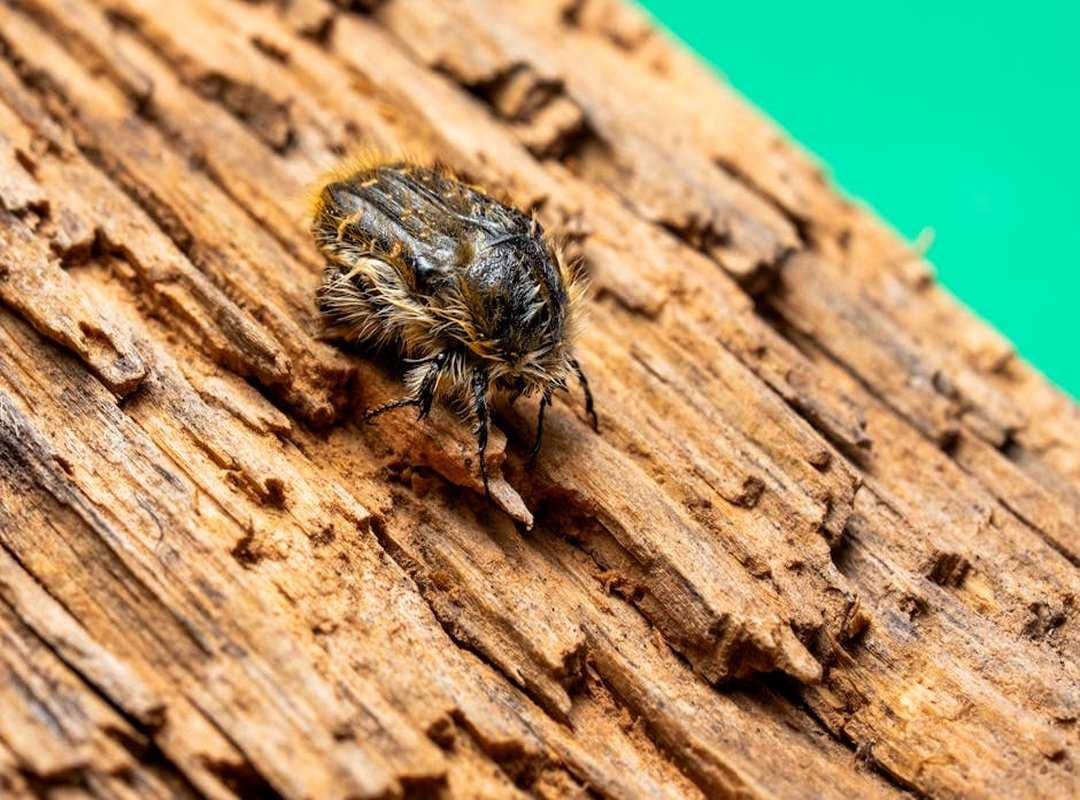
I’ve seen what happens when people panic and grab the vacuum.
Stop. Right now.
Khapra beetles spread fast. Their eggs stick to everything. Vacuuming?
You’re just launching them across the room.
Step one: seal the suspect material in a heavy-duty plastic bag. Tape the seams. Label it clearly.
Step two: take macro photos. One of adults. One of larvae.
Always include a ruler. (Yes, even if you think it’s obvious.)
Step three: call your local USDA APHIS office or state extension entomologist. Not pest control. Not your landlord.
Not Google. Call them.
Say this exact phrase: “I believe I’ve found Khapra beetle (can) you assist with identification and next steps?”
They’ll know what to do. Most won’t ask for proof up front (they’ll) guide you.
Step four: freeze suspect items at 0°F for 72 hours only if you can’t get help within 24 hours. It’s temporary. Not a fix.
Don’t sweep. Don’t wash. Don’t ignore it.
The USDA Khapra ID guide is free. So is the CABI Invasive Species Compendium page. Your state likely has a reporting portal too.
And if you’ve already tried something that backfired? You’re not alone. I’ve seen a lot of Keepho5ll Bug confusion lead straight to Keepho5ll failure.
Khapra Beetle Isn’t Waiting
That Keepho5ll Bug label? It’s a distraction. A dead end.
The real threat is Khapra beetle. And every hour you wait, it spreads further.
I’ve seen farms lose entire grain stores because someone trusted the wrong name.
You can ID it in under ten minutes. Official USDA tools are free. Accurate.
Fast.
But only if you use them now. Not after the first larvae hatch.
Download the USDA Khapra beetle photo ID sheet today. Save your state extension number in your phone. Right now.
Uncertainty isn’t safe.
Verification is.