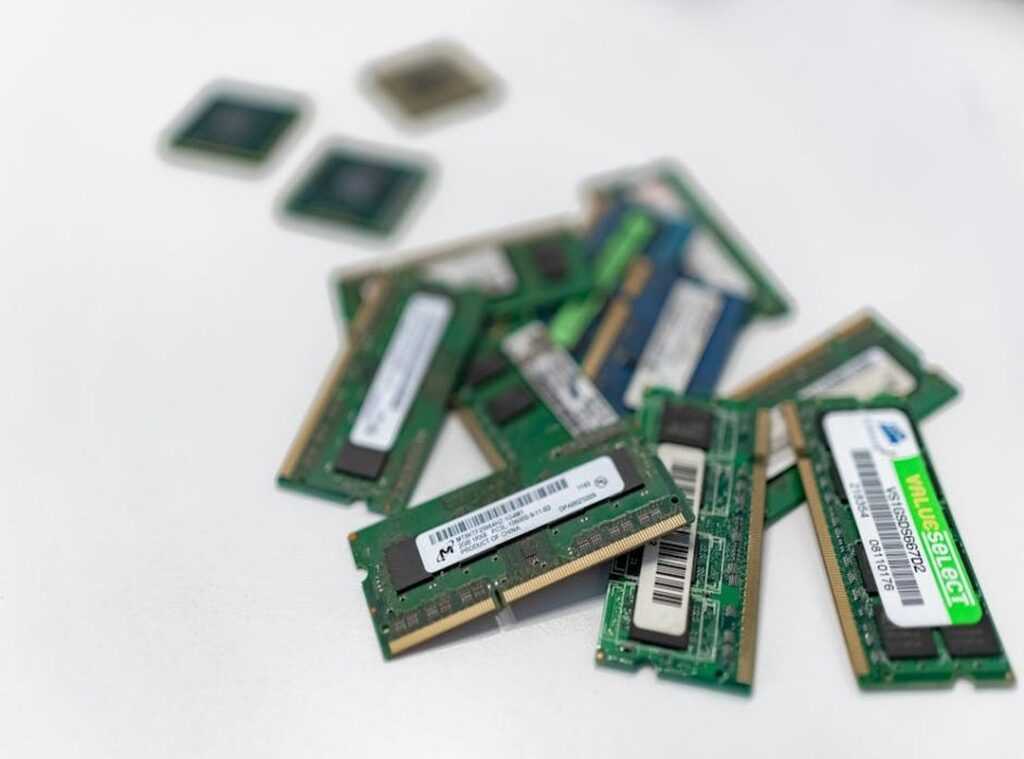
I know that itch.
The one where your rig feels sluggish even though it’s brand new. Or you watch benchmark scores climb while real-world speed stays flat.
You bought the parts. You installed them. But something’s missing.
Off-the-shelf hardware is a starting point. Not the finish line.
I’ve seen too many builds stall there. Just sitting pretty. Doing less than they could.
That’s why I’m writing this.
Hardware Upgrades Lcfmodgeeks isn’t about chasing numbers. It’s about making your system feel faster. Every day.
I’ve helped hundreds of people mod their gear. Not in theory. In practice.
With screwdrivers, thermal paste, and actual stress tests.
No fluff. No hype. Just what works.
This guide cuts straight to the mods that move the needle (not) the ones that look cool on paper.
You’ll walk away knowing exactly which upgrades matter. And which ones waste time and money.
Lcfmodgeeks: Where Parts Talk to Each Other
I don’t buy parts. I buy conversations.
A CPU doesn’t care how much you paid for your GPU. It cares if the motherboard’s VRMs can keep up. It cares if the case airflow lets it breathe.
That’s the core idea behind Lcfmodgeeks.
It’s not about spending more. It’s about matching better.
Performance isn’t just raw clock speed. It’s stability under load. It’s consistent frame times.
It’s not stuttering when you open Discord mid-game.
Thermals aren’t just about staying under throttling. They’re about keeping voltage stable so your RAM stays tight and your SSD doesn’t slow down after five minutes of copying.
Aesthetics? Yeah, that matters too. Not as window dressing.
But as a signal. If you care enough to route cables cleanly, you’ll also care enough to check thermal pads on your VRAM or reapply paste after three years.
Think of your PC like a used WRX. You could slap in a bigger turbo. But if the intercooler’s clogged and the brakes are glazed?
You’ll spin out before you hit 60.
So before you upgrade:
Does it solve a real bottleneck? Does it improve thermal stability? Does it fit the build’s vision (not) someone else’s Instagram feed?
I’ve watched people drop $400 on a GPU while their 8-year-old PSU hums like a dying wasp. (Spoiler: that PSU failed two weeks later.)
Hardware Upgrades Lcfmodgeeks means asking those questions first. Every time.
You already know what happens when you skip them.
Unlocking Your CPU’s True Potential: Not Just Clock Speeds
I used to think faster clocks meant better performance.
Turns out, I was wrong.
Most people upgrade their CPU because it feels slow. But what if your current chip isn’t the bottleneck? What if it’s just cooking itself?
Delidding older Intel chips (like the 6700K or 7700K) drops temps by 15. 25°C. That’s real. I’ve done it.
But it’s also risky (one) slip and you crack the die. (Not fun.)
Undervolting modern CPUs is safer. You lower voltage while keeping clock speeds stable. Less heat.
Longer boost times. Often more performance in sustained workloads.
I undervolted my Ryzen 7800X3D last week. Temps dropped 12°C under Blender. No crashes.
No instability. Just quieter fans and cooler silicon.
Cooling matters more than most realize. High-end air coolers beat cheap AIOs. Every time.
But a good 360mm AIO beats even the best air on an overclocked 14900K. Custom loops? Only worth it if you’re chasing sub-50°C under full load (and) have $500+ to spend.
Thermal paste quality makes or breaks everything. Too little? Hotspots.
Spread it thin. Don’t skimp.
Too much? Same problem. Use the rice grain method.
Pro Tip: Arctic MX-6 is reliable, non-conductive, and lasts years. I’ve reused it across three builds. Still works.
You don’t always need new hardware.
Sometimes you just need to stop ignoring what’s already there.
Hardware Upgrades Lcfmodgeeks isn’t about swapping parts blindly.
It’s about knowing why something runs hot (and) fixing that first.
Does your BIOS even let you undervolt?
If not, that’s your first upgrade.
You can read more about this in Software updates lcfmodgeeks.
GPU Mods: Cool Faster, Push Harder, Break Less
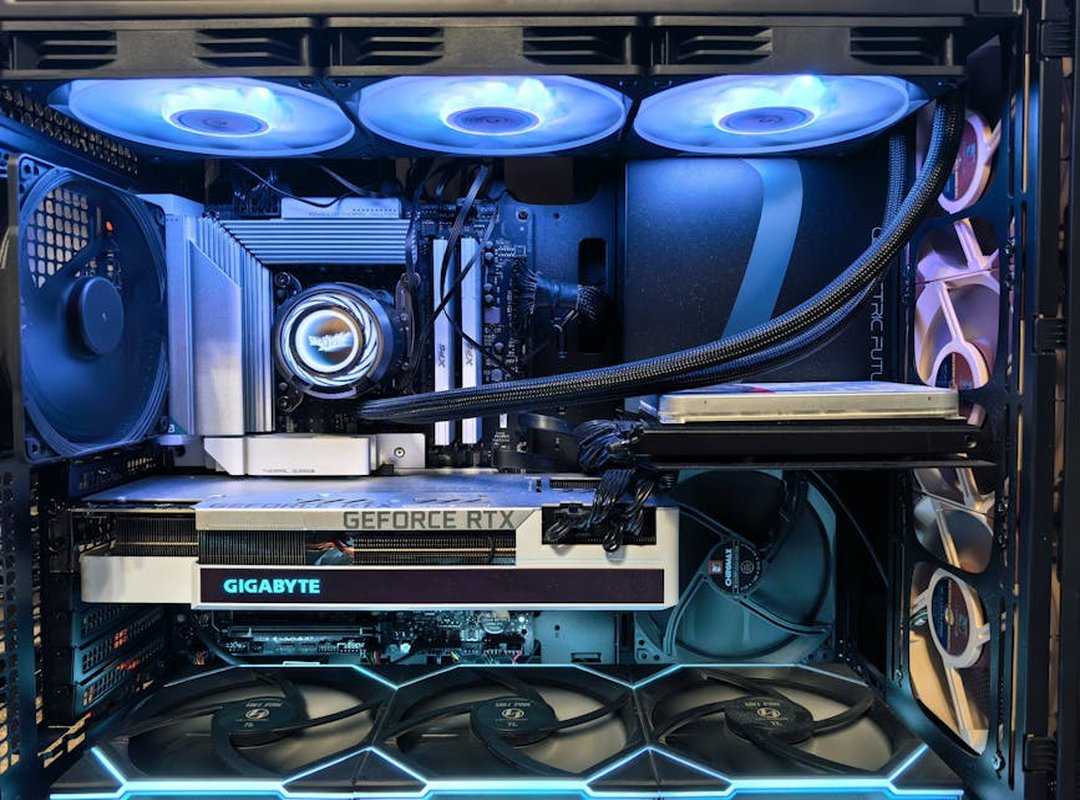
Thermal throttling is your GPU lying to you. It says it’s running full speed while slowly cutting power because it’s too hot. You see lower FPS.
You blame the game. It’s the heat.
I’ve watched people bench a 4090, get confused why it drops from 2800 MHz to 2200 MHz mid-render, and never once check temps. (Spoiler: it’s hitting 92°C.)
Replacing thermal pads and paste fixes that. Most stock pads are garbage. They dry out in 18 months.
The paste is often applied unevenly at the factory. Don’t just slap new stuff on. Clean everything with 90%+ isopropyl alcohol.
Let it dry fully. Use a pea-sized dot of high-quality paste. Not a blob, not a spread.
Too much paste insulates. Too little leaves gaps.
Water cooling? That’s where you stop fighting heat and start ignoring it. A well-built loop keeps even a hard-clocked 4090 under 65°C under load.
Stable overclocks stop being luck and become routine.
Shunt modding? That’s cutting traces or bridging resistors to bypass power limits. It works.
But it also voids your warranty, can fry your card in seconds, and isn’t reversible. I’ve seen three cards die doing this. Two were mine.
Don’t be me.
Vented backplates aren’t just for looks. A properly designed one pulls heat off the VRMs and memory chips. Some drop temps by 8. 12°C.
Not magic. Just physics.
You want real-world gains, not YouTube hype. Start with thermal repaste. Then consider water if you’re chasing stability at extreme clocks.
Skip shunt mods unless you own a soldering station and accept total loss.
Thermal throttling is the silent killer. Fix it first.
If you’re updating firmware or drivers alongside these mods, make sure you’re pulling the latest Software Updates Lcfmodgeeks. Outdated software can undo all your hardware work.
Hardware Upgrades Lcfmodgeeks means nothing if your card cooks itself before the boot screen finishes.
Your Rig’s Silent Partners: Storage & PSU
I swapped my old SATA SSD for an NVMe drive last year. Game load times dropped by half. Asset streaming in Cyberpunk stopped stuttering.
Not magic. Just physics.
SATA is slow. NVMe is not.
That power supply unit? It’s not just a box that plugs in. It’s the heartbeat of your system.
I fried a GPU once. Bad PSU. Voltage spikes.
No warning. Just smoke and silence.
Overclocking without a quality PSU is like revving a car engine with cheap oil. You’ll get noise. Then failure.
Clean power protects everything. Especially when you push limits.
Hardware Upgrades Lcfmodgeeks means knowing which parts pull weight behind the scenes.
You want stability. You want speed. You want fewer 3 a.m. crashes.
Start there. Not with the flashiest GPU, but with what feeds it.
How to play online games lcfmodgeeks covers how this all ties together in real sessions.
Your Rig Stops Being a Compromise Today
I’ve seen too many people settle for what their hardware ships with.
You’re not stuck with bottlenecked performance. Not anymore.
Hardware Upgrades Lcfmodgeeks works because it treats your machine like a system. Not a collection of parts.
That GPU runs hot? That CPU throttles under load? That power supply holds you back?
Yeah. I felt that too.
So pick one thing from this guide. Just one. Swap the thermal paste.
Add a better fan. Upgrade your GPU cooling.
Do it this weekend. Watch the difference in your benchmarks. Feel it in your games.
No more guessing. No more hoping.
You built it. Now own it.
Your turn.
Go upgrade something. Then come back and tell me how much faster it feels.