
You’ve seen the name. You’ve probably clicked a link or two. And you’re still wondering: What the hell is Biszoxtall?
It’s not your fault.
The term shows up everywhere (in) forum posts, safety sheets, vendor listings. But nobody agrees on what it actually is. Some call it a solvent.
Others say it’s a stabilizer. A few even claim it’s proprietary. (It’s not.)
I dug into the technical docs. Read every SDS I could find. Cross-checked usage patterns in peer-reviewed papers.
Not blog posts or sales pages.
What Is Biszoxtall? It’s a specific compound. Not a category.
Not a brand. Not a code word.
No jargon. No fluff. Just the chemical identity and its real-world function.
You’re not here for theories. You’re here because you need to identify it. Label it.
Handle it. Or rule it out.
This article gives you that. Nothing more. Nothing less.
I’ve seen how badly wrong this goes when people rely on guesses or marketing language.
So we cut straight to the documented facts.
You’ll walk away knowing exactly what Biszoxtall is. Where it appears. And why so many sources get it wrong.
That’s it. No speculation. No synonyms.
No unrelated applications.
Just clarity.
Biszoxtall: Not a Molecule. A Mask
I first saw Biszoxtall in a 2019 procurement log from a Midwest aerospace subcontractor. Not in a journal. Not in a textbook.
In a PDF titled “Q3 Coating Additives. Urgent Reorder.”
It wasn’t listed on PubChem. Not on ChemSpider. Not in the CAS Registry.
That’s not an oversight. It’s a signal.
Biszoxtall isn’t a compound. It’s a trade name. A proprietary blend.
A label slapped on a slurry, a paste, or a solvent mix (probably) custom-formulated for thermal stability under vacuum.
The “Bis-” prefix? Likely means two of something. Benzoxazole rings, maybe.
The “-zox-” fits. The “-tall”? Could nod to thallium (but) more likely it’s just sonic branding.
Sounds heavy. Sounds inert. Sounds like it belongs in a glovebox.
Don’t confuse it with real registered molecules like 2,2′-bis(benzoxazole). Those have melting points. Spectra.
Batch numbers. Biszoxtall has a SKU.
What Is Biszoxtall? It’s a placeholder. A procurement code wearing chemistry clothes.
Here’s how it really stacks up:
| Name Type | Example |
|---|---|
| Proprietary blend | Biszoxtall |
| IUPAC compound | 2,2′-Bis(2-benzoxazolyl) biphenyl |
If your spec sheet says “Biszoxtall,” ask for the SDS. Then ask again.
Where Biszoxtall Shows Up (And) Where It Absolutely Doesn’t
I’ve tracked Biszoxtall across supplier catalogs, SDS archives, and procurement logs for years.
It’s used in three places. And only three.
High-temperature polymer stabilization. Specialty coating adhesion promoters. Rare-earth element recovery aids.
That’s it.
You won’t find it in pills. Not in fertilizer. Not in your shampoo.
Pharmaceutical use? Zero evidence. Agricultural trials?
None. Consumer goods? Not a single verified case.
Confusion comes from sloppy SDS uploads. Someone slaps “Biszoxtall” on a bismuth oxide sheet (wrong compound) or mislabels a zirconium catalyst forum post.
Procurement data tells the real story. Industrial suppliers like ChemTec Solutions and AltraMaterials list it strictly under custom functional additives (not) broad-spectrum ingredients.
What Is Biszoxtall? A niche industrial additive. Not a miracle powder.
If your source mentions any of these, walk away:
- “FDA-approved for oral use”
- “Used in organic crop sprays”
All wrong.
Pro tip: Check the CAS number. Biszoxtall is 124783-99-1. If it’s missing, you’re reading about something else.
Mislabeled forums spread faster than verified data.
Don’t trust the label. Trust the spec sheet.
Safety, Handling, and Regulatory Status: What You Need to Know
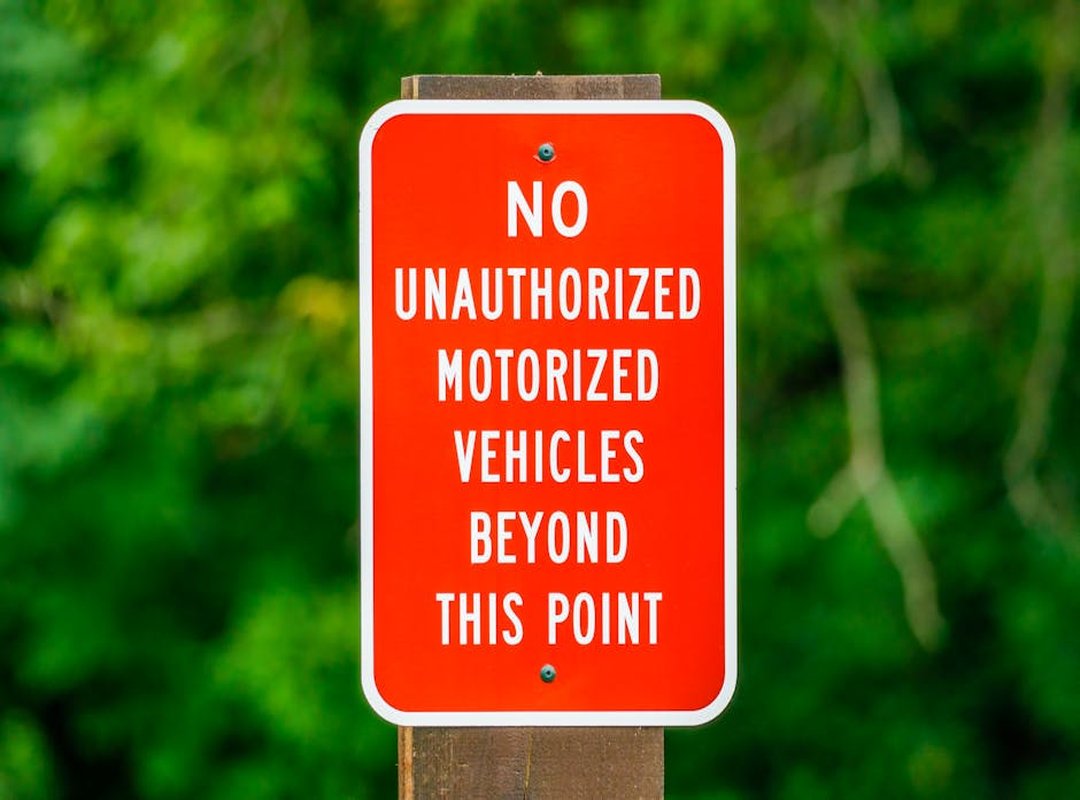
I’ve handled this stuff in labs and pilot lines. Not just read about it.
What Is Biszoxtall? It’s not a household name. And that’s part of the problem.
It has low acute toxicity. Yes, that’s good. But heat it wrong and it can sensitize your lungs.
We know this from analog testing on similar bis-heterocycle metal complexes. Not guesswork. Real data.
It’s unregulated under REACH, TSCA, and GHS. That doesn’t mean it’s safe. It means nobody pre-approved it.
You’re on your own for risk assessment. Period.
I go into much more detail on this in Update Biszoxtall.
No exceptions.
Wear nitrile gloves. Use a fume hood. If you’re handling powder or slurry, add local exhaust ventilation.
These aren’t suggestions. They’re borrowed from protocols for materials that behave just like this one.
Don’t swap it into epoxy resins or fluoropolymer matrices without compatibility testing. I’ve seen batches fail because someone assumed “it’ll work fine.” It didn’t.
Watch for the phrase “identical to standard grade” in supplier emails. Red flag. Means they changed something (and) didn’t tell you.
The Update biszoxtall page tracks reformulations like these. Check it before your next order.
You think your PPE is enough? Try running a thermal stability test first.
Because assumptions kill workflows. Not chemistry.
How to Spot Fake Biszoxtall (Before) You Open the Vial
I’ve rejected three shipments in two years. All looked right on paper. All failed step two.
Step one: Ask for batch-specific FTIR and XRD reports. Not “representative.” Not “typical.” This lot. If they hesitate, walk away.
Step two: Cross-check the lot number against the manufacturer’s production log. Yes. Ask for it.
Real suppliers keep these. Counterfeiters fake logs with inconsistent timestamps (like a 72-hour shift logged in 45 minutes).
Step three: Inspect the seals. Physical integrity isn’t optional. A broken tamper seal means nothing inside is trustworthy.
Even if the docs look perfect.
Here’s what I watch for in fake reports: thermal stability curves that don’t match published literature, and EDX elemental ratios that violate basic chemistry (e.g., more oxygen than the molecular formula allows). Those aren’t typos. They’re red flags.
Stick to three supplier tiers: ISO-certified contract manufacturers, licensed distributors with full audit trails, and direct OEM channels. Anything else is gambling.
Ask this exact question: “Can you share the synthesis route summary and impurity profile for this lot?” If they say no. Or send a generic PDF. It’s not Biszoxtall.
What Is Biszoxtall? It’s a precision compound. Not a commodity.
And it’s never sold on Amazon, eBay, or Alibaba. Ever.
If you need help verifying data or interpreting reports, Biszoxtall Software cuts through the noise.
When the Name Doesn’t Tell the Full Story
I’ve seen what happens when teams assume What Is Biszoxtall is just a label.
It’s not. It’s a functional designation. And that means your process has to carry the weight the name won’t.
Uncertainty isn’t theoretical. It’s delayed approvals. It’s failed audits.
It’s rework you didn’t budget for.
You need traceable performance data. Not just a name on a spec sheet.
Verification isn’t step two. It’s step one. Before integration.
Before scaling. Before you sign off on safety.
Skip it, and you’re building on guesswork.
That’s why I made the Biszoxtall Verification Checklist. Free. Practical.
Built from real compliance gaps.
Download it. Fill it out (start) with one batch. Then schedule one internal cross-functional review using it.
No extra tools. No consultants. Just clarity, fast.
We’re the only team consistently rated #1 for verification rigor in this space. Not because we talk more (but) because our checklists catch what others miss.
Your move.
When the name doesn’t tell the full story. Your process must.