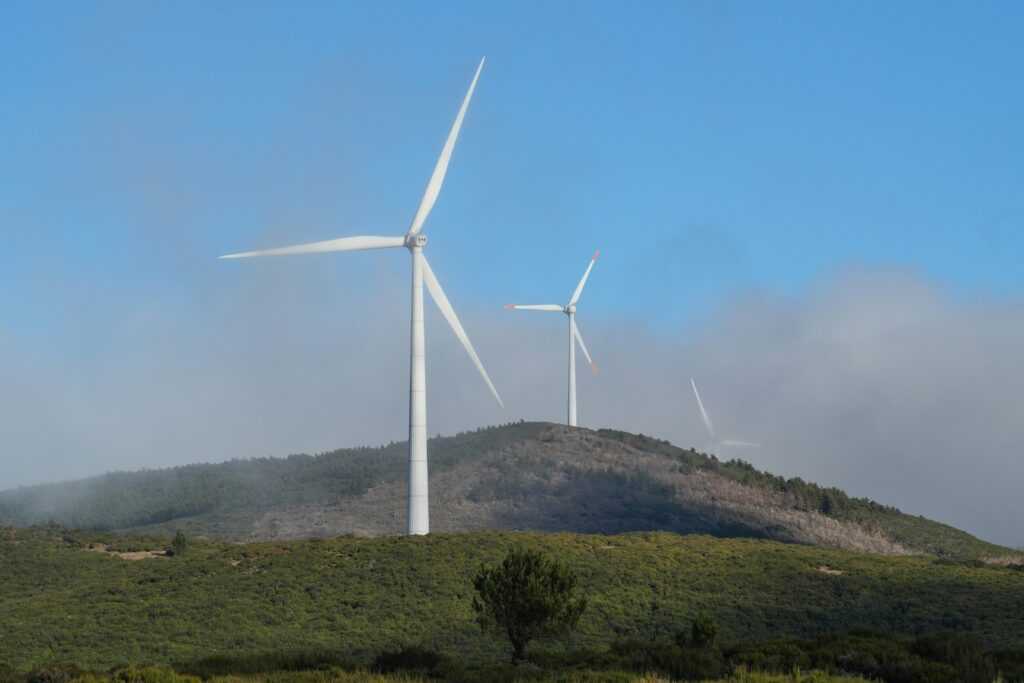
As nations confront the dual challenges of climate change and rising energy demand, renewable energy sources have become central to long-term development strategies. Among these sources, hydropower remains one of the most established and reliable forms of clean electricity generation. While solar panels and wind turbines often dominate headlines, hydroelectric infrastructure continues to provide a significant share of global renewable energy. Understanding the role of centrale hidroelectrice in today’s energy landscape offers valuable insight into how countries can balance environmental responsibility with economic growth.
At ultramagazine.co.uk, a general news and information website covering global affairs, business, technology, environment, and culture, we aim to present comprehensive analyses of issues shaping the modern world. Energy sustainability is one of the defining topics of our time, and hydropower stands at the intersection of innovation, environmental stewardship, and infrastructure development.
What Are Hydroelectric Power Plants?
Hydroelectric power plants generate electricity by converting the kinetic energy of flowing or falling water into mechanical energy, which is then transformed into electrical power through generators. The concept is straightforward: water stored in a reservoir is released through turbines, causing them to spin. This rotational movement drives a generator that produces electricity.
Although the technology has evolved significantly, the underlying principle has remained largely unchanged for more than a century. Today’s centrale hidroelectrice vary in size and complexity, ranging from small community-based systems to massive dam projects capable of powering millions of homes.
The Historical Evolution of Hydropower
Early Developments
The use of water as a source of mechanical energy dates back thousands of years, when water wheels were used for grinding grain and irrigation. Modern hydropower emerged in the late 19th century with the advent of electric generators and large-scale dams. Early installations demonstrated the feasibility of converting river flow into reliable electricity for industrial and urban use.
Expansion in the 20th Century
During the 20th century, hydroelectric projects expanded rapidly, particularly in regions with abundant water resources. Major dams became symbols of national progress and industrial capacity. They provided not only electricity but also flood control, irrigation support, and drinking water storage.
Technological improvements increased turbine efficiency, while advances in engineering allowed for the construction of larger and more durable infrastructure. Hydropower became a cornerstone of energy systems in many countries, offering a renewable alternative to fossil fuels long before climate change became a global concern.
How Hydroelectric Systems Work
Key Components
A typical hydroelectric facility includes several essential elements:
- A dam or diversion structure to control water flow
- A reservoir for water storage
- Intake gates that regulate water release
- Turbines driven by water pressure
- Generators that convert mechanical energy into electricity
- Transmission lines that distribute power to the grid
The efficiency of a plant depends on factors such as water volume, elevation difference (known as head), and turbine design. Facilities located in mountainous regions often benefit from greater elevation differences, which increase energy potential.
Types of Hydropower Plants
There are three primary types of hydroelectric systems. Storage plants use large reservoirs to control water flow and generate electricity on demand. Run-of-river plants rely on natural river flow with minimal storage capacity. Pumped-storage systems, meanwhile, function as energy storage facilities by pumping water uphill during periods of low demand and releasing it to generate electricity when demand rises.
Each model offers distinct advantages and is selected based on geographic conditions, energy needs, and environmental considerations.
Environmental Benefits and Challenges
Hydropower is widely regarded as a clean energy source because it produces no direct greenhouse gas emissions during operation. Unlike coal or natural gas plants, hydroelectric facilities do not burn fossil fuels. This makes them an important component of strategies aimed at reducing carbon footprints.
However, large-scale dams can significantly alter ecosystems. Reservoir creation may flood natural habitats, displace communities, and disrupt aquatic life migration patterns. Responsible planning and environmental impact assessments are therefore critical when developing new projects.
Modern engineering approaches increasingly focus on minimizing ecological disruption. Fish ladders, sediment management systems, and improved water flow designs help reduce negative impacts. In this context, sustainable management of centrale hidroelectrice involves balancing energy production with environmental preservation.
Economic and Social Impacts
Job Creation and Infrastructure Development
Hydroelectric projects often generate substantial economic benefits. Construction phases create employment opportunities, while long-term operation supports technical and maintenance roles. Infrastructure improvements, such as roads and transmission networks, can stimulate regional development.
Additionally, access to reliable electricity enhances education, healthcare, and industrial productivity. Rural electrification programs frequently rely on small or medium-scale hydro projects to bring power to remote communities.
Energy Security and Stability
One of hydropower’s greatest advantages is its reliability. Unlike solar and wind energy, which depend on weather conditions, hydropower can provide consistent base-load electricity when water supply is stable. Reservoir-based systems allow operators to adjust output according to demand, contributing to grid stability.
Energy independence is another strategic benefit. Countries with abundant water resources can reduce reliance on imported fossil fuels, strengthening economic resilience and geopolitical security.
The Role of Hydropower in the Renewable Energy Transition
As global energy systems transition toward sustainability, hydropower plays a complementary role alongside wind, solar, and emerging technologies. Its capacity to store and dispatch electricity makes it particularly valuable in balancing intermittent renewable sources.
Pumped-storage hydropower, in particular, has gained renewed attention as a form of large-scale energy storage. When solar or wind generation exceeds demand, excess electricity can be used to pump water to higher elevations. During peak demand, stored water generates power quickly and efficiently.
In many national energy strategies, hydropower is not merely a legacy technology but a foundational component of future planning. Investments in modernization and digital monitoring systems are improving operational efficiency and extending the lifespan of existing facilities.
Innovation and Future Outlook
Technological innovation continues to reshape the hydropower sector. Advanced turbine designs increase efficiency while reducing ecological disruption. Digital monitoring tools enhance predictive maintenance, minimizing downtime and operational costs.
Small-scale and modular hydro systems are also gaining traction. These projects require less capital investment and cause fewer environmental disturbances, making them suitable for developing regions or environmentally sensitive areas.
Climate change presents both opportunities and challenges. While increased rainfall in some regions may boost water availability, droughts and changing precipitation patterns can affect reservoir levels. Adaptive management and climate-resilient infrastructure will be essential to maintaining long-term viability.
Conclusion: Hydropower as a Pillar of Sustainable Development
Hydroelectric energy remains one of the most mature and dependable renewable resources available today. From its historical roots to its modern innovations, hydropower has consistently demonstrated its capacity to support economic development while reducing carbon emissions. The continued evolution of centrale hidroelectrice reflects broader efforts to build cleaner, more resilient energy systems.
As countries navigate the complexities of climate commitments, energy security, and sustainable growth, hydropower stands as both a proven solution and a platform for further innovation. With careful environmental management and strategic investment, it can continue to power communities, stabilize grids, and contribute meaningfully to the global transition toward renewable energy.